
How to invest in London property is becoming an increasingly important question among global investors as Prime Central London quietly resets rather than retreats. With values in some areas still below historic peaks, international buyers are beginning to re-enter the market in search of long-term opportunities, wealth preservation and globally recognised real assets. Against a backdrop of geopolitical uncertainty, London continues to be viewed as politically stable, internationally connected and strategically positioned for long-term investment.
Is London Still a Good Investment in 2026?
London property continues to attract domestic and international investors due to its global reputation, long-term demand fundamentals, legal transparency and relative resilience during periods of economic uncertainty. Many investors view Prime Central London as a long-term wealth preservation asset, as values remain below historic peaks in some areas.
As one of the world’s leading financial and cultural centres, London continues to benefit from strong international demand, limited housing supply and long-term global appeal. Prime locations including Mayfair, Belgravia, Kensington and Chelsea remain highly sought-after among high-net-worth buyers, overseas investors and internationally mobile families seeking stability, education, connectivity and security.
For international buyers, currency movements can also create attractive entry points into the market, particularly for USD and Middle Eastern investors purchasing London property as part of a broader global asset diversification strategy. At the same time, constrained supply across many core London postcodes continues to support long-term property values despite wider economic uncertainty.
While some Prime Central London values remain below previous highs, many advisers and investors increasingly view the current market as a strategic buying window rather than a period of structural decline. As a result, London property continues to be viewed by many as both a lifestyle asset and a long-term store of wealth.
Get in the Know
Subscribe to our newsletter

Why Wealthy Buyers Are Quietly Returning to London
A growing number of wealthy buyers are beginning to reassess London property as part of a broader long-term wealth strategy. While activity has not returned dramatically or speculatively, confidence is gradually re-emerging among international investors who increasingly view Prime Central London as a “quiet opportunity” within the global property market.
USD buyers, Middle Eastern families and internationally mobile entrepreneurs are among those returning to the market, attracted by London’s political stability, legal transparency and global reputation. Against a backdrop of geopolitical uncertainty, many high-net-worth individuals are focusing more heavily on wealth diversification and safe-haven assets capable of preserving capital over the long term.
For many international buyers, London continues to offer advantages that extend beyond property values alone. World-renowned schools, global connectivity, lifestyle appeal and long-term security remain major drivers of demand, particularly among families planning future relocation, education or succession strategies.
Rather than chasing short-term momentum, many buyers entering the market are taking a strategic and highly selective approach. Trophy homes, well-located period properties and high-quality refurbished assets are attracting interest from investors focused on long-term positioning rather than speculative gains.
As Prime Central London values in some areas remain below historic peaks, many advisers believe the market is entering a period where strategic acquisitions may become increasingly attractive for globally minded investors seeking stability, scarcity and long-term resilience.

How to Invest in London Property
Investing in London property can take many forms depending on your objectives, risk appetite and long-term strategy. While some investors focus on rental income and capital growth, others view London real estate as a long-term wealth preservation asset within a globally diversified portfolio.
Choose Your Investment Strategy
Before investing in London property, it is important to define your overall investment strategy. Some investors prioritise buy-to-let properties designed to generate consistent rental income, while others focus on long-term capital appreciation in highly desirable Prime Central London locations.
Refurbishment opportunities also continue to attract experienced investors seeking to add value through redevelopment or modernisation, particularly in areas where pricing remains below previous market peaks. At the top end of the market, trophy assets and rare period homes are often viewed less as yield-driven investments and more as long-term stores of wealth.
Investors may also choose between short-term and long-term approaches depending on market conditions, financing structures and broader financial objectives. While some buyers focus on immediate rental performance, others take a longer-term view centred around asset quality, scarcity and future appreciation potential.
Select the Right London Location
Location remains one of the most important factors when investing in London property. Prime Central London areas, including Mayfair, Belgravia, Knightsbridge and Chelsea, continue to attract global wealth due to their international reputation, prestige and long-term resilience.
South West London locations such as Richmond, Wimbledon, Battersea and Clapham remain popular among families and lifestyle-focused buyers seeking strong schools, green space and long-term rental demand. Meanwhile, Canary Wharf continues to attract professionals and international tenants connected to the financial sector.
Some investors are also increasingly exploring emerging regeneration zones where infrastructure investment and redevelopment projects may support future growth potential. Lifestyle-led areas with strong amenities, restaurants, transport links and wellness-focused living environments are also attracting growing interest among younger affluent renters and internationally mobile professionals.
Understand Financing Options
There are multiple ways to finance London property investments depending on the borrower profile, property type and investment objectives. Traditional residential and buy-to-let mortgages remain common, although many high-net-worth investors increasingly utilise more tailored financing structures.
Interest-only mortgages can help preserve liquidity and reduce monthly outgoings, particularly for borrowers focused on long-term asset appreciation. International mortgages are also widely used by overseas buyers, expats and foreign nationals purchasing London property from abroad.
For time-sensitive acquisitions or refurbishment projects, bridging loans can provide short-term flexibility before transitioning onto longer-term finance. At the ultra-high-net-worth level, private banking solutions may offer bespoke lending structures secured against wider asset portfolios, investment holdings or international income streams.
Many investors also weigh the benefits of cash purchases against leveraged acquisitions. While cash can improve negotiation power and transaction speed, leverage may allow investors to preserve capital and diversify across multiple assets.
Consider Rental Demand & Yields
Rental demand remains an important consideration for many London property investors, particularly within the buy-to-let market. Different parts of London can attract very different tenant profiles, influencing both rental yields and long-term occupancy levels.
Prime Central London often attracts international renters, corporate tenants and diplomatic families seeking proximity to global business districts, private schools and luxury amenities. In contrast, areas with strong transport connections and lifestyle appeal may attract younger professionals, students and long-term lifestyle renters.
Yields can vary significantly across London depending on property type, location and tenant demand. While some prime areas may offer lower rental yields, they are often viewed more favourably for long-term capital preservation and asset quality. Higher-yielding opportunities may exist in regeneration zones or outer London locations where pricing remains comparatively lower, but tenant demand remains strong.

Best Areas to Invest in London Property
The best areas to invest in London property depend on your investment objectives, whether focused on long-term capital appreciation, rental demand, lifestyle appeal or wealth preservation. From established Prime Central London postcodes to regeneration-led districts attracting younger professionals and international tenants, London offers a wide range of investment opportunities across different price points and strategies.
Prime Central London
Prime Central London continues to attract global wealth due to its international reputation, architectural heritage and long-term resilience. Areas within Prime Central London are often viewed less as purely transactional property markets and more as globally recognised real assets with long-term scarcity value.
Many high-net-worth investors continue to favour these locations for wealth preservation, international connectivity and generational ownership potential, particularly during periods of geopolitical or economic uncertainty.

Kensington & Chelsea
Kensington & Chelsea remains one of London’s most prestigious residential boroughs, attracting wealthy domestic and international buyers seeking luxury homes, excellent schools and long-term stability. The area benefits from strong global recognition, world-class retail, cultural institutions and highly desirable garden squares.
Rental demand remains strong among diplomatic families, international executives and ultra-high-net-worth tenants, while limited supply continues to support long-term desirability across many prime streets and developments.

Mayfair & Belgravia
Mayfair and Belgravia are among London’s most exclusive property markets, known for their trophy assets, historic architecture and exceptional levels of privacy and security. These locations continue to attract global business owners, family offices and overseas investors seeking prestigious London residences in highly established prime postcodes.
While yields may be lower compared to some investment-led locations, many buyers view Mayfair and Belgravia as long-term stores of wealth supported by international demand and extremely limited supply.

Richmond & South West London
Richmond and wider South West London areas, including Wimbledon, Clapham and Putney, remain highly popular among families, professionals and lifestyle-driven buyers. Green space, strong schools, village-style high streets and excellent transport links continue to support both owner-occupier demand and long-term rental activity.
These areas are often favoured by investors seeking stable long-term tenant demand combined with strong lifestyle appeal and relative value compared to Prime Central London.

Battersea & Nine Elms
Battersea and Nine Elms have undergone significant transformation in recent years, becoming major regeneration zones within the London property market. Large-scale redevelopment, new transport infrastructure and luxury residential schemes have attracted both domestic and overseas investors looking for modern apartments and long-term growth potential.
The area continues to attract corporate tenants, international professionals and younger affluent renters, particularly due to its proximity to Central London and expanding lifestyle offering.

Canary Wharf
Canary Wharf remains one of London’s leading financial districts and continues to attract strong demand from professionals working in banking, finance and technology sectors. Modern developments, extensive amenities and strong transport connections have helped support both rental demand and investor interest.
Many buy-to-let investors continue to target Canary Wharf due to its consistent corporate tenant base and relatively strong rental yields compared to some Prime Central London locations.

Marylebone
Marylebone has become increasingly desirable among both domestic and international buyers seeking a balance between luxury living and village-style character within Central London. Boutique retail, independent restaurants and elegant period architecture continue to drive long-term demand in the area.
The district’s broad appeal among professionals, families and overseas buyers has helped support long-term resilience and wealth preservation potential.

Notting Hill
Notting Hill remains one of London’s most recognisable and lifestyle-driven residential locations. Known for its period properties, garden squares and vibrant atmosphere, the area continues to attract affluent buyers seeking both character and long-term desirability.
Strong international recognition, limited housing stock and continued lifestyle appeal have helped maintain demand among high-net-worth owner-occupiers and investors alike, particularly for well-located family homes and high-quality refurbished properties.
Buy-to-Let vs Prime Residential Property Investments
London property investors often take very different approaches depending on their financial objectives, risk appetite and long-term strategy. While some focus primarily on rental income and portfolio growth, others prioritise wealth preservation, lifestyle value and long-term capital security through prime residential assets.
Buy-to-let investments are typically more income-driven, with investors focused on rental yields, tenant demand and long-term occupancy levels. These properties are often located in areas with strong rental activity from professionals, students or corporate tenants and may form part of a wider leveraged property portfolio. Investors pursuing buy-to-let strategies frequently prioritise cash flow, financing efficiency and scalable investment opportunities across multiple assets.
In contrast, Prime Central London residential investments are often approached from a longer-term wealth preservation perspective. Buyers targeting locations such as Mayfair, Belgravia, Kensington and Chelsea may place greater emphasis on asset quality, prestige, scarcity and global desirability rather than maximising short-term rental yields. Many ultra-high-net-worth buyers view these properties as strategic real assets capable of preserving capital across market cycles.
Prime residential acquisitions also tend to be more equity or cash-heavy compared to traditional leveraged buy-to-let structures. International buyers, family offices and globally mobile wealthy families may prioritise security, legacy ownership and long-term positioning over pure investment returns.
Both approaches can play an important role within a diversified property strategy. While buy-to-let investments may offer stronger income potential and broader scalability, prime residential property continues to attract investors seeking stability, international prestige and long-term resilience within one of the world’s most globally recognised property markets.

Why Prime Central London Is Being Reassessed
Prime Central London is increasingly being reassessed by advisers, investors and internationally mobile wealthy buyers as market conditions evolve following several years of pricing adjustments and slower transaction activity. While headlines have often focused on caution within the wider UK property market, many experienced investors now view parts of Prime Central London through a longer-term strategic lens rather than a short-term cyclical one.
Pricing corrections across some prime postcodes have created renewed interest among buyers who believe the market now offers stronger relative value compared to previous peaks. Lower transaction volumes have also reduced competitive pressure in certain segments of the market, allowing more selective buyers to negotiate strategically and focus on high-quality assets with long-term scarcity appeal.
This confidence is returning gradually rather than aggressively. Many buyers remain highly selective, concentrating on trophy assets, exceptional period homes and best-in-class developments within globally recognised London locations. Scarcity continues to play a significant role, particularly for rare properties in established prime districts where supply remains structurally limited.
At the same time, London is increasingly being compared against other major global wealth hubs, including Dubai, Miami, New York and Hong Kong. While some international markets have experienced rapid pricing growth in recent years, many advisers now view Prime Central London as comparatively more stable, mature and attractively positioned from a long-term wealth preservation perspective.
This has contributed to a growing “relative value” narrative within the high-net-worth market, particularly among international buyers seeking globally recognised real assets in politically stable jurisdictions. Market commentary from major property advisers and private wealth institutions has increasingly highlighted the idea that Prime Central London values in some areas remain below historic highs despite long-term international demand fundamentals remaining intact.
As a result, many investors are approaching the market as a long-term strategic buying opportunity rather than a short-term speculative trade. For globally minded buyers focused on stability, scarcity and international prestige, Prime Central London continues to hold a unique position within the global luxury property landscape.

What Types of London Property Are Investors Buying in 2026?
Investor demand across the London property market remains highly selective in 2026, with buyers increasingly prioritising quality, location and long-term usability over speculative purchasing. From turnkey prime apartments to trophy family homes, many investors are focusing on assets that combine lifestyle appeal with long-term resilience and global desirability.
Turnkey prime apartments continue to attract strong interest among international buyers, second-home owners and globally mobile professionals seeking convenience, security and minimal maintenance. Modern developments offering concierge services, wellness facilities, private gyms and hotel-style amenities remain particularly desirable within Prime Central London locations and newer luxury schemes.
Family houses also continue to perform strongly in established residential areas, including South West London, Kensington and Notting Hill, where access to green space, leading schools and long-term lifestyle appeal remain major drivers of demand. Many wealthy buyers are prioritising homes capable of supporting long-term family living rather than purely investment-led acquisitions.
Period properties remain especially sought-after due to their architectural character, scarcity and long-term prestige value. Well-restored Georgian, Victorian and Edwardian homes in prime locations continue to attract both domestic and international buyers seeking timeless assets within globally recognised postcodes.
Refurbished properties are also attracting increased attention, particularly among investors looking for move-in-ready assets with strong energy efficiency credentials and modern finishes. As environmental standards and running costs become increasingly important, many buyers now place greater emphasis on sustainability, upgraded insulation, smart-home technology and operational efficiency.
Alongside owner-occupier demand, rental-focused apartments remain popular among investors targeting professional tenants, international renters and students. Developments with strong transport links, lifestyle amenities and concierge-led services continue to appeal to younger affluent renters seeking convenience and flexibility within London’s competitive rental market.
At the ultra-prime end of the market, trophy homes continue to attract ultra-high-net-worth buyers focused on privacy, prestige and long-term wealth preservation. These properties are often viewed less as transactional investments and more as globally recognised legacy assets within one of the world’s most established luxury property markets.
Some investors are also exploring mixed-use investments combining residential, retail or office elements, particularly in areas benefiting from regeneration and evolving lifestyle demand. These opportunities can provide diversified income streams while offering exposure to wider urban redevelopment trends across London.

Can Overseas Buyers Invest in London Property?
Overseas buyers continue to play a major role within the London property market, with expats, foreign nationals, and internationally mobile investors regularly purchasing property across both Prime Central London and wider lifestyle-led areas. London’s global reputation, legal transparency and long-term demand fundamentals continue to attract buyers from around the world seeking real assets within a politically stable market.
US buyers, Middle Eastern families and European investors remain particularly active within the international London property market, although motivations can vary significantly depending on lifestyle goals, investment strategy and long-term residency plans. Some overseas buyers purchase London property for wealth preservation and diversification purposes, while others are focused on education, relocation, business connectivity or establishing a long-term family base within the UK.
International mortgages are available for many overseas buyers, although lending criteria can differ substantially from domestic UK mortgage applications. Deposit requirements are often higher for foreign nationals and expats, particularly for large loan sizes or complex international income structures. Lenders will also typically assess factors including residency status, currency exposure, source of income and overall global asset position.
Currency considerations can play an important role for international investors acquiring London property. Fluctuations in sterling may create attractive opportunities for overseas buyers purchasing in USD, EUR or Middle Eastern currencies as part of a broader international diversification strategy.
Source of wealth and compliance requirements are also increasingly important within the international property market. Buyers should expect detailed due diligence processes, particularly for high-value transactions involving international assets, complex structures or cross-border income streams. Working closely with experienced legal advisers, tax specialists and finance professionals can help overseas buyers navigate the purchasing process more effectively.
Tax and legal advice is particularly important for international investors considering issues such as ownership structures, residency planning, inheritance considerations and potential exposure to UK taxation. As a result, many overseas buyers approach London property acquisitions as part of a broader long-term wealth and lifestyle strategy rather than a purely transactional investment decision.

Financing London Property Investments
Financing plays a major role in how investors approach the London property market, particularly as borrowing structures become increasingly tailored to complex income profiles, international buyers and long-term wealth strategies. From traditional buy-to-let mortgages to bespoke private banking solutions, investors now have access to a wide range of financing options depending on the property type, borrower profile and investment objectives.
Buy-to-let mortgages remain one of the most common forms of property finance for investors focused on generating rental income. Lenders will typically assess expected rental coverage, borrower affordability, deposit size and the overall quality of the asset when determining available terms. Loan-to-value ratios, interest rates and stress testing requirements can vary substantially between lenders and property types.
International mortgages are also widely used by overseas buyers, expats and foreign nationals purchasing London property from abroad. These facilities may involve additional due diligence requirements relating to residency status, currency exposure, source of wealth and international income verification. Many international borrowers also require lenders capable of assessing complex global asset positions and multi-jurisdictional income streams.
Interest-only mortgage structures continue to attract many high-net-worth investors seeking to preserve liquidity and reduce monthly outgoings while maintaining exposure to long-term property appreciation. These structures are particularly common among borrowers with substantial assets, investment portfolios or planned long-term exit strategies.
Bridging finance can also play an important role within the London property market, particularly for time-sensitive acquisitions, refurbishment projects or transactions requiring greater flexibility than traditional mortgages may allow. Investors frequently utilise bridging loans to secure opportunities quickly before refinancing onto longer-term facilities once the asset or borrower profile is stabilised.
Refinancing strategies are increasingly being used by investors seeking to release equity, restructure borrowing or optimise existing property portfolios. In some cases, refinancing may support further acquisitions, liquidity planning or broader wealth diversification strategies.
At the ultra-high-net-worth level, private bank lending continues to provide highly bespoke financing solutions tailored around complex financial positions and global wealth structures. Borrowers with multi-currency income, carried interest, bonus-heavy remuneration, business ownership, or international assets may require lenders capable of taking a more holistic underwriting approach than mainstream institutions.
Execution certainty has also become increasingly important within the London property market, particularly for large or complex transactions involving international buyers, time-sensitive opportunities or high-value assets. As a result, many investors prioritise lender expertise, structuring capability and reliability alongside rates and headline pricing when arranging property finance.

What Risks Should London Property Investors Consider?
While London property continues to attract domestic and international investors seeking long-term stability and global real assets, it is important to recognise that all property investments carry risk. Understanding potential challenges can help investors make more informed decisions and structure acquisitions more strategically.
Interest rate changes remain one of the most significant considerations for leveraged property investors. Higher borrowing costs can affect affordability, refinancing options and overall investment returns, particularly for buy-to-let investors reliant on mortgage financing. Changes in interest rates may also influence broader market sentiment and transaction activity across different parts of the London property market.
Taxation and regulation are also important factors for property investors to monitor closely. Stamp duty, capital gains tax, inheritance planning considerations and evolving rental regulations can all impact the long-term performance and structure of a property investment. Overseas buyers and expats may face additional complexities relating to residency status and international tax exposure, making specialist legal and tax advice particularly important.
Liquidity should also be considered when investing in high-value property assets. Unlike publicly traded investments, real estate transactions can take time to complete, particularly during periods of reduced market activity or economic uncertainty. Prime and ultra-prime properties may require longer selling periods due to the smaller buyer pool at higher price points.
Refurbishment costs can also materially affect investment returns, especially for buyers acquiring period properties or redevelopment opportunities. Construction inflation, planning considerations and project delays can all increase overall expenditure and impact timelines.
For buy-to-let investors, rental voids and tenant turnover may also affect income generation and cash flow. Demand levels can vary significantly depending on location, property type and wider economic conditions, making tenant profile and asset quality important considerations.
Currency fluctuations can create both opportunities and risks for overseas buyers investing in London property. Changes in sterling may affect purchasing power, financing costs and overall investment performance when measured against a buyer’s domestic currency.
Like all global property markets, London also moves through market cycles. Pricing growth, transaction activity and investor sentiment can shift over time depending on economic conditions, political developments and broader global capital flows. As a result, many experienced investors approach London property with a long-term perspective focused on asset quality, location and resilience rather than short-term market movements.
Why Some Investors View London Property as Wealth Preservation
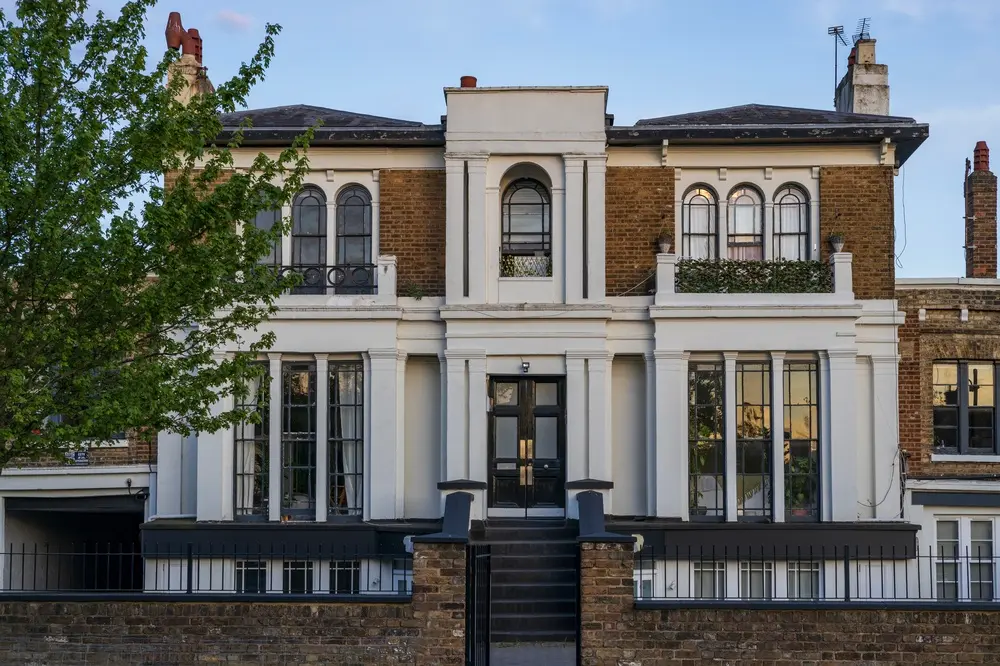
For many wealthy investors, London property is viewed as far more than a conventional investment. Within Prime Central London, particularly, property ownership is often approached as a form of long-term wealth preservation tied to stability, scarcity and generational legacy rather than short-term market performance.
In periods of economic and geopolitical uncertainty, real assets continue to hold strong appeal among globally mobile families seeking tangible stores of value. Prime London property, with its international reputation and limited supply, is frequently viewed alongside fine art, private businesses and other enduring assets capable of preserving capital across market cycles.
Scarcity plays a significant role in this perception. Historic garden squares, exceptional period homes and best-in-class residences within globally recognised postcodes remain inherently difficult to replicate. For many buyers, ownership within locations such as Mayfair, Belgravia, Kensington or Notting Hill represents not only financial value but access to some of the world’s most established and internationally desirable residential districts.
Long-term stability also remains central to London’s appeal. Despite periods of political or economic uncertainty, the city continues to attract international wealth due to its legal framework, education system, cultural significance and global connectivity. Many investors view London property as part of a broader intergenerational strategy designed to preserve and transfer wealth over time.
Inflation protection is another factor frequently associated with prime real estate ownership. While property markets naturally move through cycles, high-quality London assets have historically demonstrated resilience over longer periods, particularly in globally recognised prime locations where supply remains constrained.
For some ultra-high-net-worth buyers, acquisitions are also increasingly influenced by legacy considerations rather than purely financial calculations. Family homes, trophy properties and historically significant residences are often purchased with a long-term ownership mindset shaped by succession planning, international lifestyle needs and future generational use.
Rather than chasing rapid appreciation, many sophisticated investors approach London property with a quieter and more strategic perspective centred around permanence, prestige and long-term global relevance. In this sense, Prime London real estate continues to occupy a unique position within the wider landscape of global wealth preservation assets.

Why Use a Specialist Broker for London Property Finance?
Financing London property can become increasingly complex when transactions involve international borrowers, large loan sizes, complex income structures or high-value assets. While some straightforward purchases may be suitable for mainstream lending, many investors and high-net-worth buyers require more tailored financing solutions aligned to broader wealth and investment strategies.
Specialist brokers can provide access to a wider range of lenders, including private banks, international lenders and specialist institutions that may not be directly accessible to borrowers. This can be particularly important for clients with non-traditional income structures, overseas assets or multi-jurisdictional financial profiles.
International borrowers and expats often face additional lending considerations relating to residency status, source of wealth, currency exposure and global income verification. Borrowers earning through bonuses, carried interest, dividends, business ownership or multi-currency income streams may also require lenders capable of assessing complex financial positions more holistically.
Large loan sizes and Prime Central London transactions can also involve more bespoke underwriting requirements, particularly where properties are unique, internationally owned or held through more sophisticated ownership structures. In these cases, lender appetite, structuring expertise and transaction management can become just as important as headline pricing.
Execution certainty has also become an increasingly important consideration within the London property market, especially for time-sensitive acquisitions or competitive prime transactions. Understanding which lenders are comfortable with specific borrower profiles, asset types and transaction structures can help reduce delays and improve overall certainty throughout the financing process.
For many internationally mobile buyers and investors, specialist advice is less about simply accessing finance and more about aligning property lending with wider wealth, liquidity and long-term investment objectives across multiple jurisdictions.

FAQs
Is London property still a good investment?
Many investors continue to view London property as a strong long-term investment due to the city’s global reputation, international demand, limited supply and long-term resilience. Prime London property is often viewed as a wealth preservation asset, while buy-to-let investments may offer rental income and long-term capital growth potential depending on location and market conditions.
Can foreigners buy property in London?
Yes, foreign nationals can buy property in London. Overseas buyers regularly purchase both residential and investment properties across London, although financing, tax and legal considerations may differ from domestic UK buyers. Many international investors utilise specialist mortgage brokers, tax advisers and legal professionals when purchasing London property.
Is buy-to-let still worth it in London?
Buy-to-let can still be attractive in London, particularly in areas with strong tenant demand, good transport links and long-term rental growth potential. However, investors should carefully assess mortgage costs, taxation, regulation and rental yields before investing.
How much deposit do I need to invest in London property?
Deposit requirements vary depending on the property type, lender and borrower profile. Buy-to-let investors often require larger deposits than owner-occupier borrowers, while overseas buyers and international investors may also face higher minimum deposit requirements depending on lender criteria and loan size.
Can expats get a mortgage for London property?
Yes, many lenders offer mortgages for expats and overseas buyers purchasing London property. Specialist lenders and private banks may be particularly helpful for borrowers with foreign income, multi-currency earnings or complex international financial structures.
Is Prime Central London undervalued?
Some advisers and investors believe parts of Prime Central London remain attractively priced compared to previous market highs and other global luxury property markets. This has contributed to a growing narrative around selective long-term buying opportunities within established prime London locations.
What type of London property performs best?
Performance can vary depending on market conditions and investment objectives. Prime residential properties may offer stronger long-term wealth preservation potential, while buy-to-let apartments or regeneration-led investments may provide stronger rental yields or growth opportunities in certain areas.
Are wealthy buyers returning to London?
There are growing signs that international high-net-worth buyers are gradually returning to the London market, particularly within Prime Central London. Political stability, global reputation, education and long-term wealth preservation remain key drivers of demand among internationally mobile buyers.
Should I buy London property now or wait?
The right timing depends on your investment strategy, financing position and long-term objectives. Some investors believe current market conditions present strategic buying opportunities, particularly in prime locations where values remain below previous highs, while others may prefer to wait for greater market clarity or lower borrowing costs.

Conclusion
London continues to hold a unique position within the global property market, attracting domestic and international investors seeking long-term stability, globally recognised real assets and strategic wealth preservation opportunities. While market conditions have evolved in recent years, many buyers increasingly view the current environment as an opportunity to acquire high-quality London property more selectively and strategically.
From Prime Central London trophy assets to income-producing investment properties and regeneration-led opportunities, investor demand remains closely tied to location quality, long-term resilience and global desirability. International demand, limited supply and London’s enduring reputation as a financial, cultural and educational hub continue to support its long-term appeal among globally mobile buyers.
As financing structures become increasingly sophisticated, careful planning and lender selection also play an important role in securing the right outcome, particularly for international borrowers, large transactions and complex financial profiles.
Speak with our specialists to explore tailored financing solutions for London property investments.
This article is provided for general information purposes only and does not constitute financial, legal, tax or investment advice. Property values, market conditions, interest rates and lending criteria can change and may vary depending on individual circumstances.
Any references to investment performance, market trends or potential opportunities should not be interpreted as guarantees of future performance. London property investments carry risk, and values can rise as well as fall.
International buyers, expats and overseas investors should seek independent legal, tax and financial advice before proceeding with any property purchase or financing arrangement.
Finance is subject to status, lender criteria and underwriting assessment.

Islay Robinson, founder of Enness, is a specialist in high-value and complex mortgage transactions. He has played a key role in structuring and delivering bespoke financing solutions across a wide range of UK and international cases.